
What Is Infill Development in Calgary?
/Calgary is growing in two directions at once: outward into new suburbs and inward through redevelopment of older communities. That inward growth is known as infill development, and it has become one of the most important forces shaping the city’s housing market.
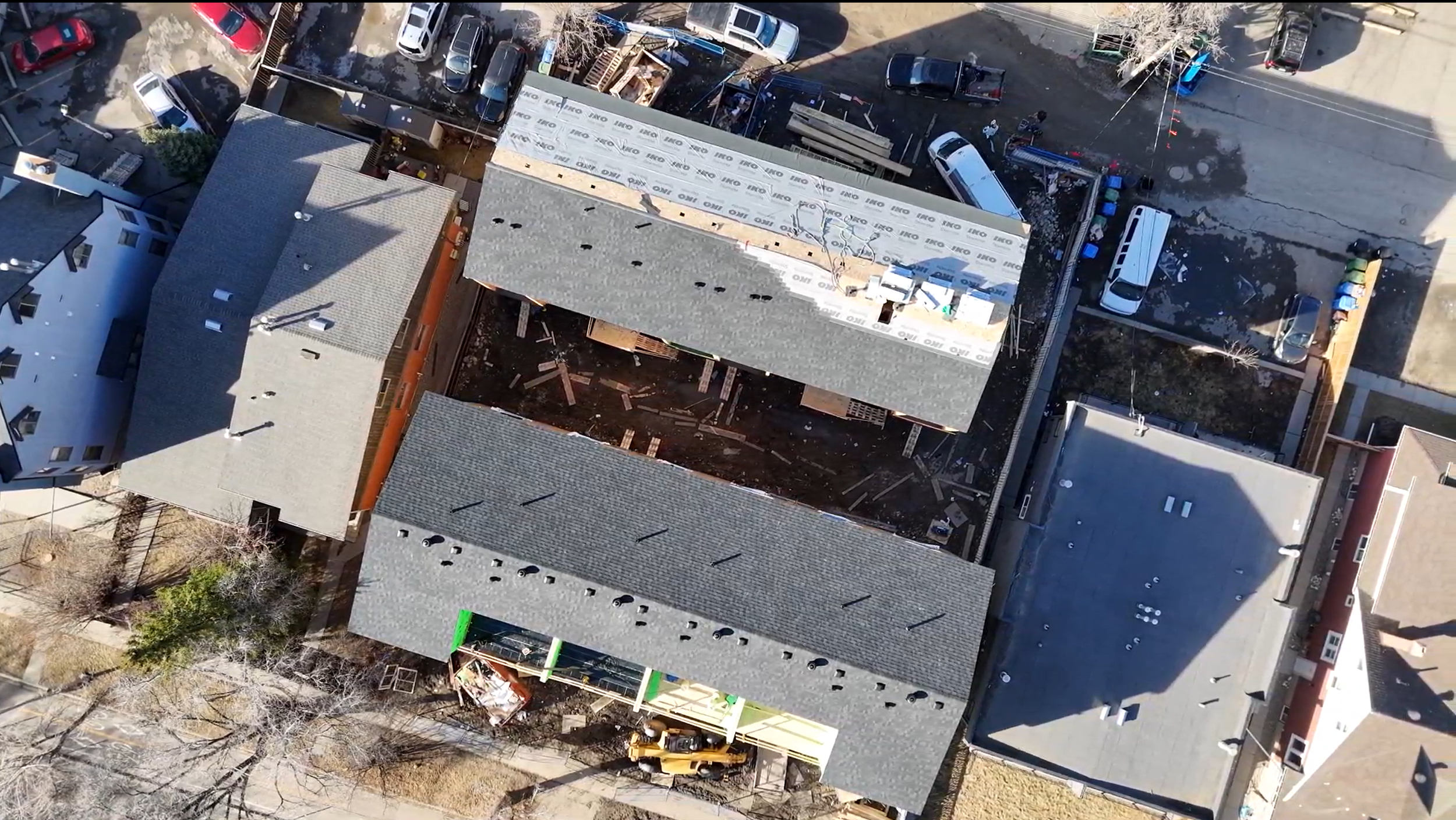
If you’ve heard the term but aren’t quite sure what it means—or why it suddenly matters so much—you’re not alone. Here’s a clear breakdown of what infill development is, how it works in Calgary, and why it’s changing neighbourhoods across the city.
What Does “Infill Development” Mean?
Infill development refers to building new housing on land that is already part of an established community.
Instead of expanding into farmland or new suburbs, infill focuses on:
Replacing older homes with new ones
Adding additional units to existing lots
Increasing housing density within built-up neighbourhoods
In simple terms, infill means “building more housing inside the city instead of outside it.”
Why Calgary Is Focused on Infill Development
Calgary has been actively encouraging infill development for several key reasons:
1. Managing Population Growth
The city continues to grow rapidly, and infill helps accommodate more residents without endlessly expanding outward.
2. Efficient Use of Infrastructure
Older neighbourhoods already have:
Roads
Water and sewer systems
Schools
Transit access
Infill uses this existing infrastructure more efficiently than building entirely new suburbs.
3. Housing Supply and Affordability
By increasing density, infill can help:
Add more housing units
Diversify housing types
Improve affordability over time (in theory, through increased supply)
4. Supporting Transit-Oriented Development
Areas near LRT stations and major corridors are ideal for higher-density housing.

➕Benefits of Infill Development
For the City
More housing supply
Reduced urban sprawl
Better use of infrastructure
More walkable communities
For Property Owners
Higher land value in some cases
Opportunity to sell to developers
Potential for redevelopment or intensification
Increased long-term investment value
For Buyers and Residents
More housing choices in established areas
Modern homes in central locations
Improved neighbourhood vibrancy
➖Challenges and Concerns Around Infill
While infill has many benefits, it also raises concerns in some communities:
Increased traffic and parking pressure
Construction disruption in established areas
Changes to neighbourhood character
Shadows, privacy, and building height concerns
Infrastructure strain in some locations
Because of this, infill development often involves community consultation and city review processes.
Is Your Property Suitable for Infill Development?
Not every property qualifies for redevelopment, but certain characteristics increase potential:
Larger or wider lots
Corner lots
Back lane access
Proximity to transit or downtown
Located in established inner-city neighbourhoods
Flexible zoning (or potential for rezoning)
Even older homes that seem outdated may sit on valuable redevelopment land.
The Future of Infill in Calgary
Infill development is expected to continue growing as Calgary:
Expands transit networks
Revises zoning policies
Encourages “missing middle” housing (duplexes, townhomes, small multi-unit buildings)
This shift means more neighbourhoods will gradually evolve from single-family dominance into more diverse housing forms.
📲 Call to Action
Whether you’re considering selling, redeveloping, or simply exploring your options. Contact our team today to learn more about property redevelopment potential.

