How to Find Out if Your Land Has Redevelopment Potential in Calgary

Calgary is changing quickly. As the city grows outward and increases density inward, many homeowners and investors are discovering that their property may be worth far more than just the house sitting on it. Whether you own an aging bungalow, a large corner lot, or property near a future transit corridor, your land could have significant redevelopment potential.

But how do you actually determine whether your property is a redevelopment opportunity?

Here’s a practical guide to understanding redevelopment potential in Calgary. ⬇️


What Does “Redevelopment Potential” Mean?

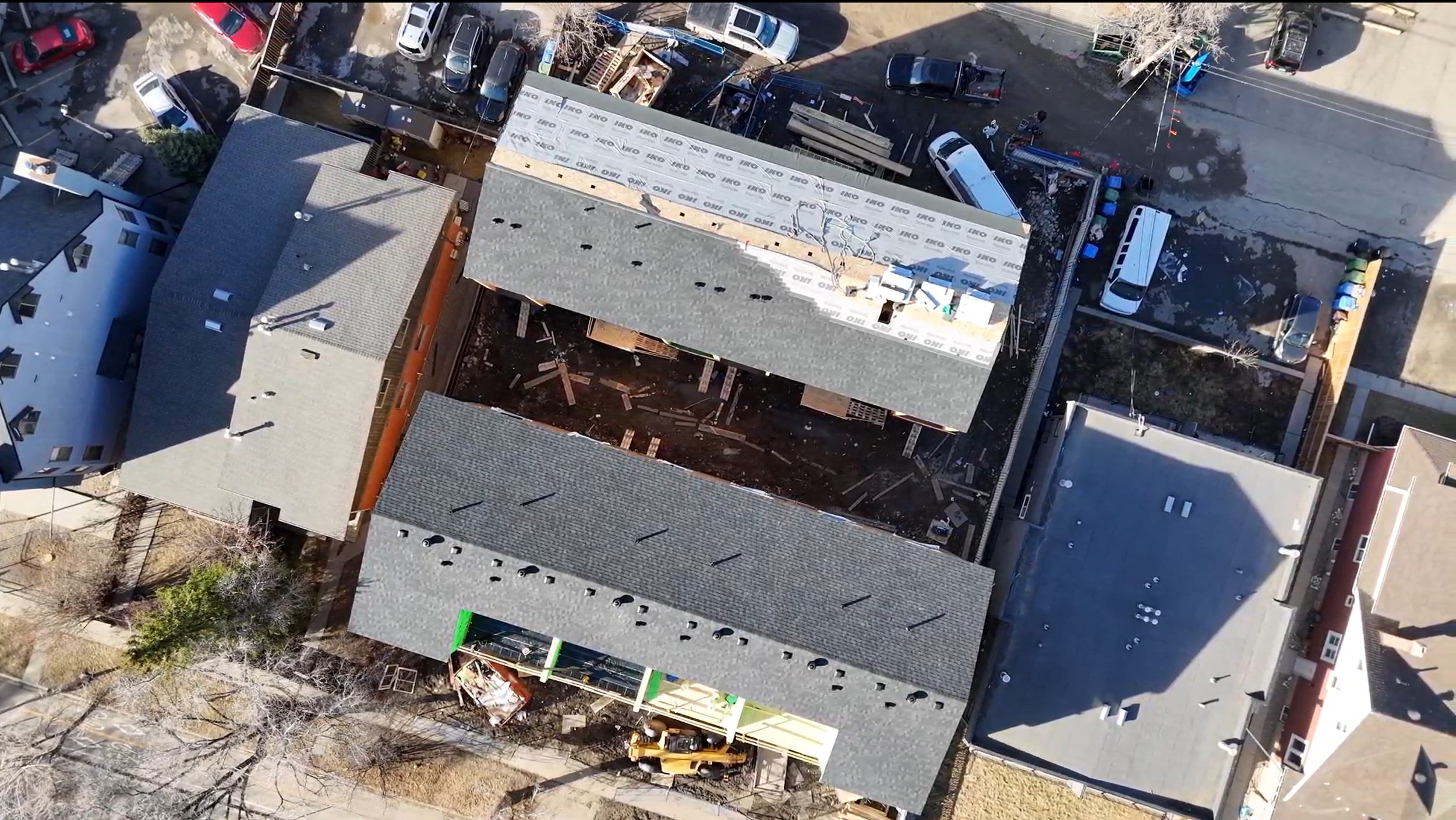
Redevelopment potential refers to the possibility of replacing, expanding, or intensifying the use of a property to create something more valuable.

In Calgary, redevelopment often includes:

  • Building duplexes or rowhouses

  • Constructing secondary suites

  • Splitting lots

  • Developing multi-family housing

  • Replacing older homes with higher-density projects

  • Building mixed-use developments near transit corridors

A property with strong redevelopment potential is typically more attractive to builders, investors, and developers because the land can generate more long-term value than the current structure.


Step 1: Check the Property’s Zoning

The first thing you should investigate is zoning, also called the land use designation.

Calgary zoning determines:

  • What type of buildings are allowed

  • Maximum building height

  • Density limits

  • Setback requirements

  • Whether multi-unit housing is permitted

You can check your zoning through the City of Calgary Land Use Bylaw Map.

Properties with flexible or recently upgraded zoning are often prime redevelopment candidates.


Step 2: Look at the Lot Size and Shape

Not every property can be efficiently redeveloped, even if the zoning allows it.

Developers typically look for:

  • Wide frontage

  • Rectangular lot shape

  • Larger lot size

  • Corner lots

  • Back lane access

In Calgary, corner lots are especially attractive because they enhance access, provide better parking options, and offer greater design flexibility.

As a general rule:

  • Wider lots are easier to subdivide

  • Deeper lots can accommodate more units

  • Irregular lots may limit redevelopment possibilities


Step 3: Evaluate the Location

Location is one of the biggest drivers of redevelopment value.

In Calgary, redevelopment activity is strongest in areas:

  • Near downtown

  • Along major transit corridors

  • Close to LRT stations

  • Near universities and hospitals

  • In established inner-city communities

Properties near planned infrastructure projects or future transit expansions may also increase in redevelopment value over time.


Step 4: Review Calgary’s Local Area Plans

The City of Calgary has been introducing new planning policies designed to increase density and encourage redevelopment in strategic areas.

Local Area Plans (LAPs) can indicate:

  • Future density targets

  • Growth corridors

  • Transit-oriented development plans

  • Areas prioritized for redevelopment

If your property is located in an area targeted for growth, there may be increased flexibility for future development applications.

You can review planning documents through the City of Calgary Local Area Planning Portal.


Step 5: Compare Nearby Redevelopments

One of the easiest ways to spot redevelopment potential is to examine what’s happening nearby.

Ask yourself:

  • Are older homes being demolished?

  • Are duplexes or rowhouses replacing single-family homes?

  • Are builders purchasing lots in the area?

  • Are there active development permit signs nearby?

If redevelopment activity is accelerating around your property, it often signals growing land value and strong builder demand.


Step 6: Assess the Condition of the Existing Home

Ironically, older homes can sometimes increase redevelopment appeal.

Many developers are primarily interested in:

  • The land itself

  • Zoning potential

  • Location

  • Lot dimensions

If the home is:

  • Very old

  • Functionally obsolete

  • Expensive to renovate

  • Structurally outdated

…the property may have greater value as a redevelopment site than as a traditional resale home.


Step 7: Understand Market Demand

Even if redevelopment is technically possible, market demand is a crucial factor.

Developers typically evaluate:

  • Construction costs

  • Financing conditions

  • Housing demand

  • Rental market strength

  • Buyer interest in the neighbourhood

However, redevelopment potential can fluctuate depending on interest rates and economic conditions.


Conclusions

Your land may be especially attractive for redevelopment if it:

  • Sits on a large or corner lot

  • Is close to transit or downtown

  • Has flexible zoning

  • Is located in an established inner-city neighbourhood

  • Has rear lane access

  • Is surrounded by newer infill projects

  • Contains an older home nearing the end of its economic lifespan


Final Thoughts

Redevelopment potential can significantly impact the value of your property in Calgary. Many homeowners don’t realize that developers may value the land more than the house itself.

By understanding zoning, lot characteristics, neighbourhood trends, and city planning policies, you can better determine whether your property could be a future redevelopment opportunity.

Even if you are not planning to sell immediately, knowing your property’s redevelopment potential can help you make smarter long-term decisions about renovations, investments, and timing in Calgary’s evolving real estate market.