
Land Development vs Rental Property | Calgary Investment Guide
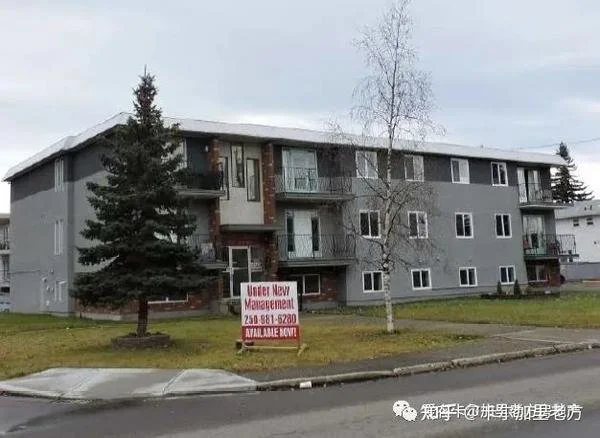
/Strategy 1: Buying an Existing Rental Property
Purchasing an existing rental offers:
Immediate cash flow
Known market comparables
Lower development risk
Simpler financing structure
It is often viewed as the more conservative path.
However, growth is typically incremental.
Appreciation depends largely on overall market movement rather than value creation.
The investor’s role is operational — managing tenants, optimizing rents, maintaining the asset.
Strategy 2: Buying Land to Develop
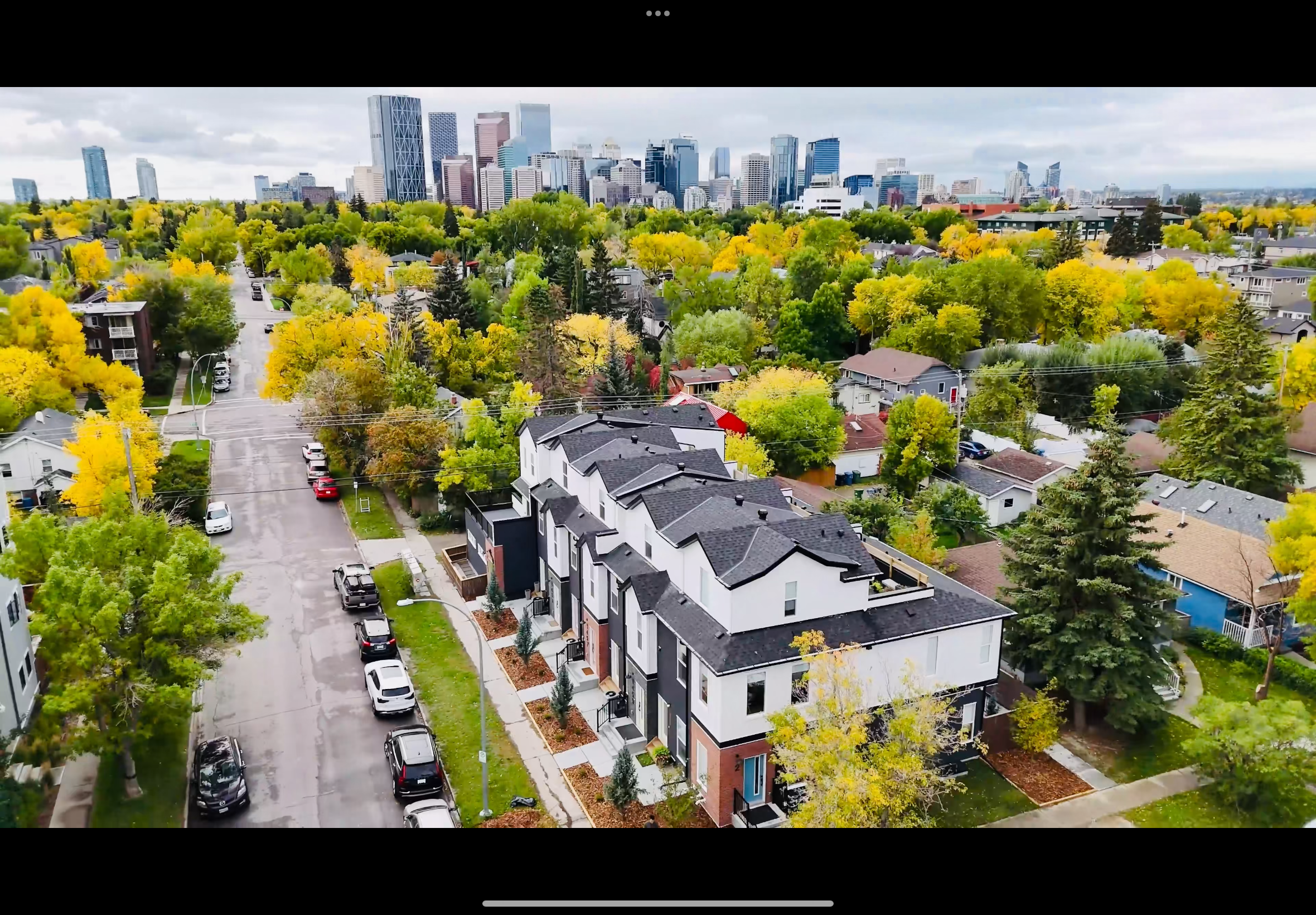
Buying land introduces a different dynamic.
Instead of purchasing an existing income stream, you are creating one.
Land development allows investors to:
Increase density (where zoning permits)
Improve layout and product-market fit
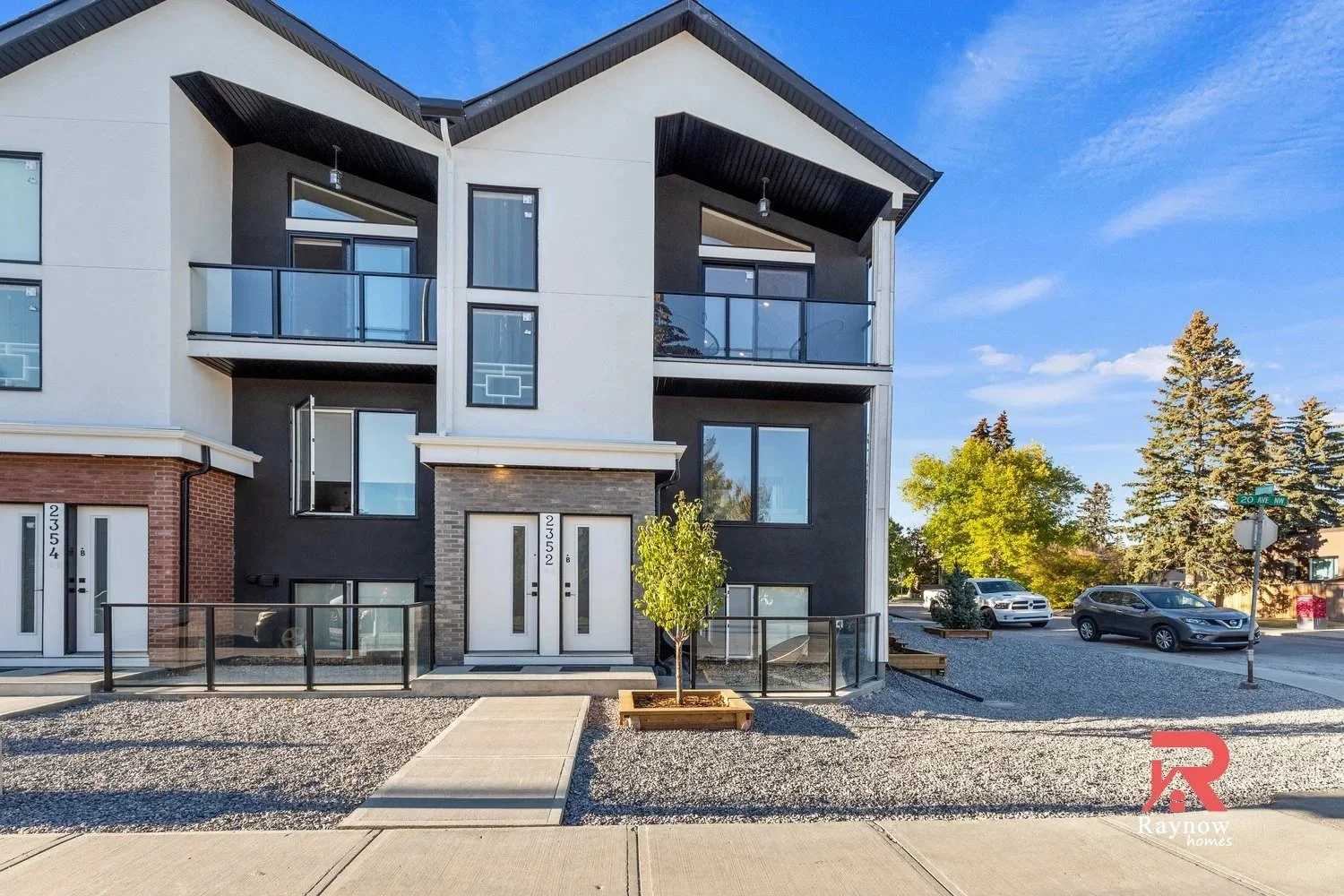
Design legal suites or garage suites
Capture forced appreciation
Returns are not purely market-driven.
They can be engineered through design, positioning, and execution.
However, this comes with:
Longer timelines
Higher upfront capital
Construction risk
Permit and zoning complexity
Development is not passive.
It is strategic.
Risk Comparison
Rental Property Risk Profile
Market fluctuation
Tenant turnover
Maintenance costs
Interest rate exposure
Land Development Risk Profile
Construction cost overruns
Permit delays
Market timing
Capital lock-up during build phase
The key difference is control.
With development, risk can be mitigated through planning and feasibility analysis.
With rentals, performance is largely tied to acquisition quality.
Return Structure Differences
Rental properties generate wealth through:
Rental income
Gradual appreciation
Mortgage paydown
Development projects generate wealth through:
Value creation
Density optimization
Product differentiation
Potential equity lift at completion
Over a long horizon, development can produce larger step-changes in equity.
But it requires discipline and execution.
When Buying Land Makes Sense
Buying land for development may be suitable when:
You have longer investment horizons
You understand zoning and density potential
You are comfortable managing timelines
You seek higher equity growth potential
When Buying an Existing Rental Makes Sense
Buying a rental may be preferable when:
Immediate income is the priority
Risk tolerance is lower
Capital is limited
You prefer operational stability over construction complexity
The Calgary Context
In markets like Calgary, where zoning changes and density opportunities continue to evolve, land development can unlock value beyond simple appreciation.
Legal suites, garage suites, and small multi-unit builds offer structural advantages when executed properly.
However, not every lot is suitable for development.
Feasibility analysis remains critical.
Final Thoughts
The question is not which strategy is “better.”
The question is which aligns with your capital, time horizon, and risk tolerance.
Rental property builds steady wealth.
Development builds engineered equity.
Both can succeed.
But only when the strategy is chosen intentionally.
if you have any kind of Question, welcome to contact with us.

